Urban road construction today faces stricter environmental regulations and sustainability expectations. Contractors must balance efficiency, cost, and ecological impact. Choosing the right plant asphalt becomes critical when aiming for green-certified urban projects. This article provides practical guidance to help contractors select the best asphalt plant type while ensuring compliance with green standards, reducing environmental impact, and optimizing construction performance.
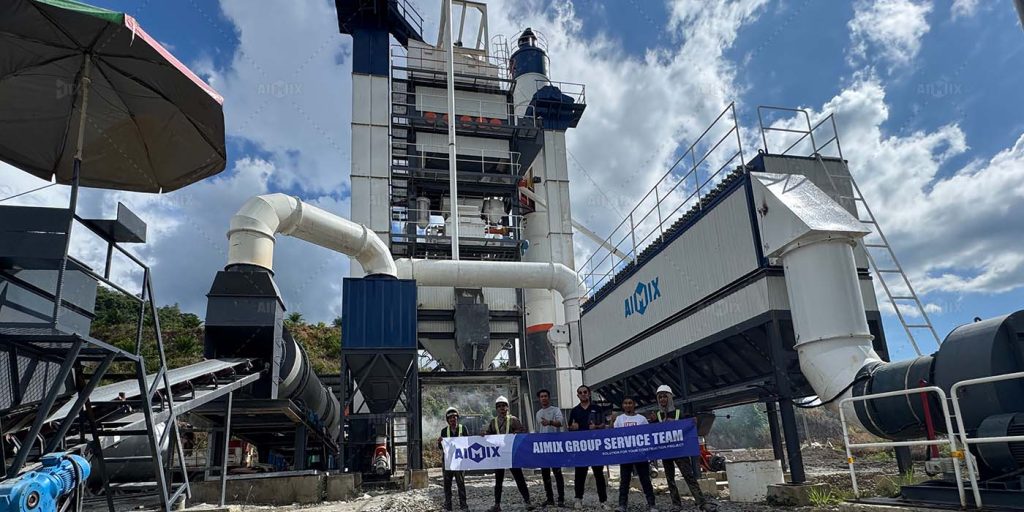
Understanding Green-Certified Urban Road Projects
Green-certified urban roads prioritize environmental responsibility. These projects often require reduced emissions, lower energy consumption, recycled materials usage, and minimal noise and dust pollution. For contractors, this means the asphalt plant must support eco-friendly practices without compromising production capacity or quality.
Furthermore, urban environments present unique challenges. Space constraints, strict noise regulations, and limited storage for materials demand compact, flexible, and low-emission asphalt production solutions. Consequently, not all asphalt plants are suitable for these projects.
Key Considerations When Choosing an Asphalt Plant
Before selecting a plant, contractors should evaluate several factors to ensure the project meets green certification standards efficiently:
Production Capacity
Urban projects often require moderate to high volumes of asphalt. A plant should match the expected daily output to avoid underproduction or excessive idle time. For instance, a 60–120 TPH (tons per hour) plant can typically serve urban road projects efficiently while maintaining manageable space requirements.
Emission Control
Reducing emissions is a cornerstone of green-certified construction. Plants with advanced dust collectors, bag filters, and low NOx burners can minimize environmental impact. Additionally, proper fuel management and the ability to integrate biofuels or natural gas contribute to meeting green standards.
Recycled Material Utilization
Modern urban road projects encourage the use of recycled asphalt pavement (RAP). Asphalt batch mix plant for sale capable of incorporating 20–50% RAP without compromising mix quality are highly desirable. This capability not only aligns with sustainability goals but also reduces raw material costs.
Energy Efficiency
Energy consumption directly affects both costs and carbon footprint. Continuous drum mix plants typically consume less energy than batch plants, but batch plants offer superior flexibility for complex mix designs. Contractors must balance production efficiency with the need for precise mix control, especially when using additives or recycled materials.
Noise and Footprint
Urban construction sites are noise-sensitive areas. Plants designed with enclosed burners, vibration-dampening supports, and compact layouts help reduce disturbances. Moreover, a smaller footprint allows easier placement in limited urban space while maintaining safe operational zones.
Comparing Asphalt Plant Types
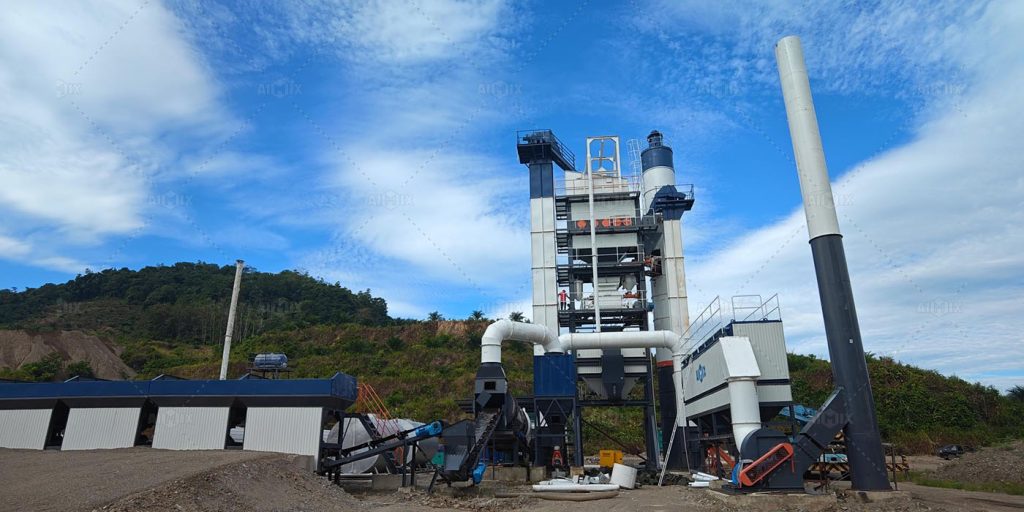
Two main asphalt plant types dominate the market: batch plants and drum mix plants. Each has advantages and limitations in the context of green-certified urban road projects.
Batch Asphalt Plants
Batch plants produce asphalt in discrete batches, allowing precise control over mixture proportions. This makes them ideal for projects requiring multiple asphalt types or strict quality standards. Key benefits include:
- Flexibility to produce various mix designs simultaneously.
- High-quality control suitable for recycled materials and additives.
- Better compliance with green certifications due to precise emission and material monitoring.
However, batch plants generally occupy more space and may have higher energy consumption compared to drum mix plants. Contractors must ensure urban site availability and consider hot asphalt plant designs for space-limited projects.
Drum Mix Asphalt Plants
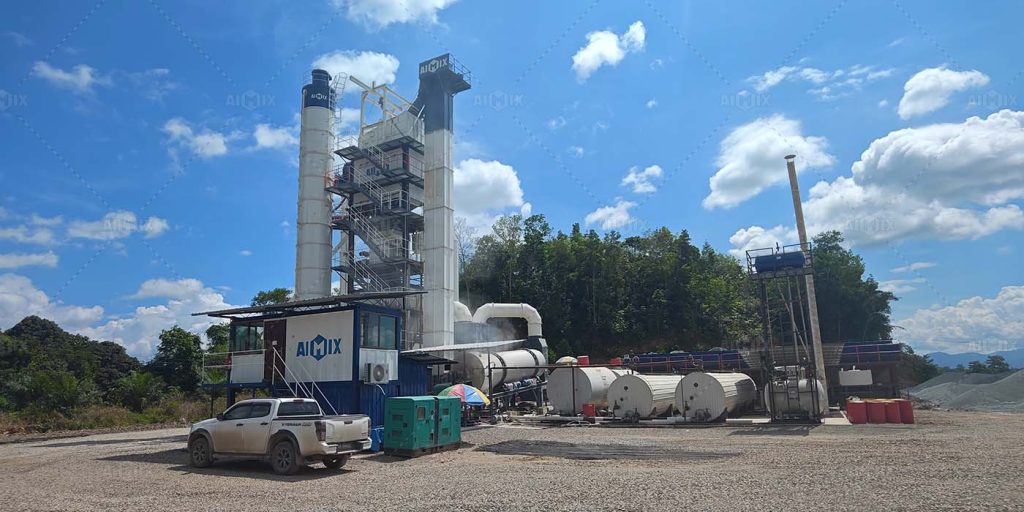
Drum mix plants produce asphalt continuously, offering higher efficiency for uniform mixes. Advantages include:
- Lower energy consumption per ton of asphalt produced.
- Smaller footprint compared to batch plants of similar capacity.
- Efficient integration of RAP and bio-based fuels.
Despite these benefits, drum plants are less flexible when multiple asphalt types or precise control of additives are required. For urban projects with varied pavement layers or color-coded asphalt, asphalt drum mix plant for sale may serve large continuous sections efficiently.
Balancing Sustainability and Practicality
When choosing an asphalt plant, contractors must balance green certification requirements with practical considerations:
Site Space and Urban Constraints
Urban areas rarely provide expansive space for large asphalt plants. Modular and mobile asphalt plants can overcome these constraints. These plants can be relocated or installed in phases, minimizing urban disruption while maintaining compliance with green standards.
Material Handling and Storage
Urban projects require efficient handling of aggregates, bitumen, and RAP. Plants with preheated aggregate systems, cold feed bins, and automatic weighing ensure precise measurements while reducing waste. Additionally, storing materials in covered silos prevents dust and water contamination, supporting environmental compliance.
Operational Efficiency
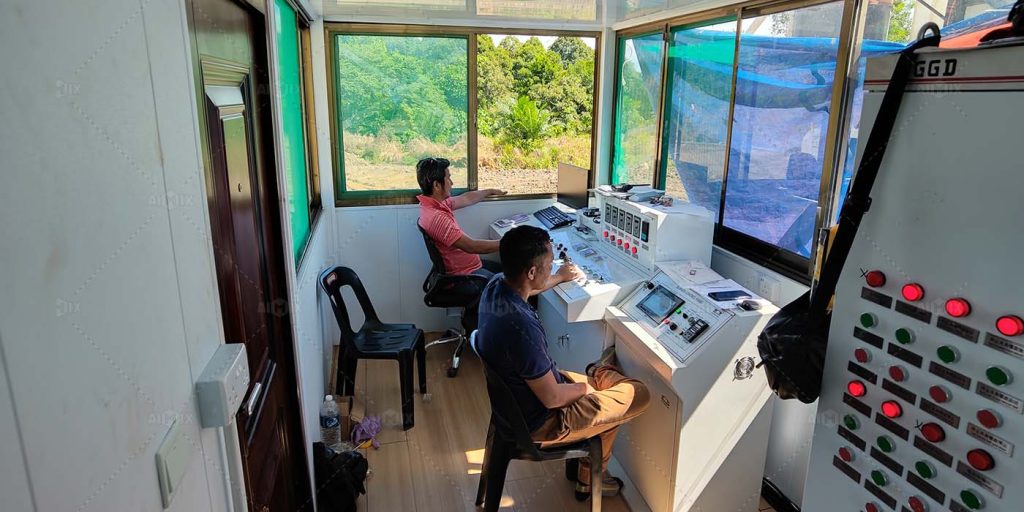
Contractors must consider plant startup times, maintenance frequency, and operator training. Eco-friendly plants with automated controls reduce human error, minimize energy wastage, and maintain consistent quality. This efficiency is critical for meeting urban project deadlines without compromising green standards.
Case Examples of Green Asphalt Plant Implementation
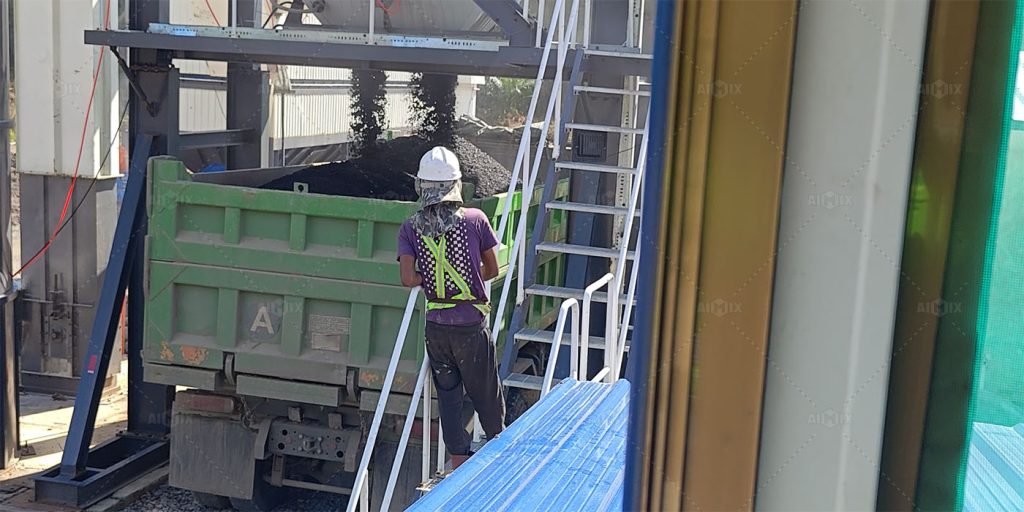
Several urban road projects worldwide have successfully implemented green-certified asphalt plants:
- In Singapore, a compact batch plant with advanced dust collection and RAP integration produced high-quality asphalt for urban streets, meeting stringent environmental requirements.
- In European cities, drum mix plants using natural gas and enclosed burners reduced CO₂ emissions by 20–30%, while maintaining high throughput for road rehabilitation projects.
- Indonesian urban projects often use mobile batch plants with RAP capabilities, enabling rapid deployment in densely populated areas while minimizing environmental impact.
These examples demonstrate that plant choice depends on both project scale and environmental priorities. Contractors can optimize plant type selection by assessing local regulations, space availability, and project timelines.
Recommendations For Contractors
For green-certified urban road projects, contractors should consider the following recommendations:
- Prioritize batch asphalt plants for projects requiring multiple mix designs, precise quality control, and high RAP usage.
- Consider drum mix plants for projects with uniform asphalt requirements, high efficiency, and energy-saving goals.
- Choose modular or mobile plant designs to fit urban site constraints and minimize noise and dust impacts.
- Ensure the plant includes modern emission control systems, energy-efficient burners, and compatibility with recycled materials.
- Train operators in both quality management and environmental compliance to maximize project success.
By evaluating these factors, contractors can deliver sustainable urban roads without sacrificing performance or efficiency.
Conclusion: Making the Right Choice
Selecting the most suitable asphalt plant for green-certified urban road projects requires careful consideration of production capacity, emission control, material handling, energy efficiency, and site constraints. Batch asphalt plants offer flexibility and quality control, making them ideal for projects with multiple mix requirements and high recycled material usage. Drum mix plants excel in efficiency and low energy consumption for uniform asphalt applications.
Ultimately, the right choice depends on project-specific needs, urban site conditions, and environmental compliance goals. Contractors who carefully assess these factors can achieve both sustainability and operational efficiency.
If you are planning a green-certified urban road project and need advice on the most suitable asphalt plant type, contact AIMIX today. Our team provides tailored solutions that balance environmental standards, cost, and construction efficiency, ensuring your project succeeds with minimal environmental impact.