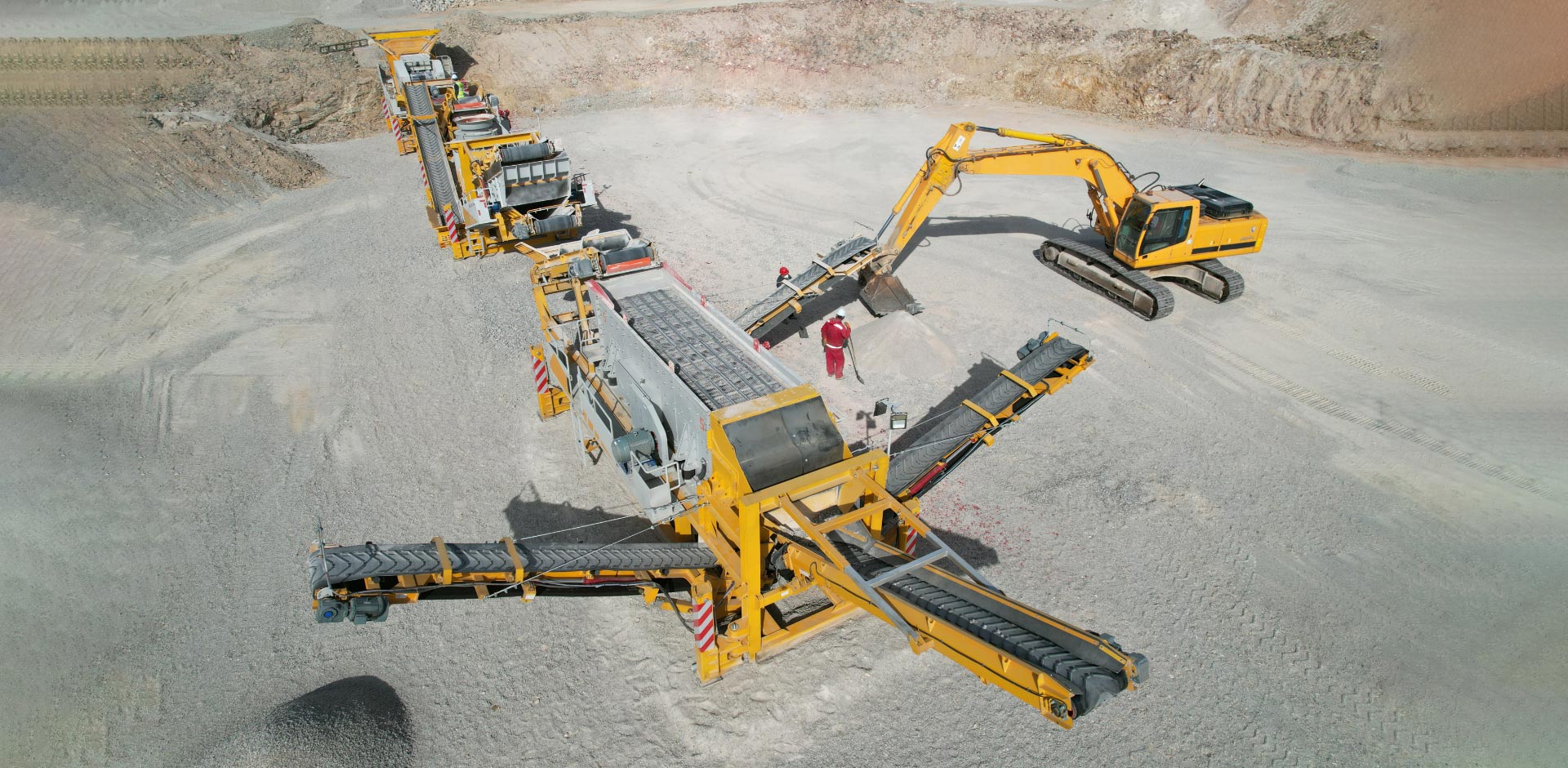
Latin America faces growing challenges in construction waste management and sustainable resource utilization. As urbanization accelerates, the need for aggregates in construction continues to rise. Industrial recycling of construction waste offers an opportunity to convert waste into valuable resources, reducing environmental impact and lowering costs. This article examines the potential of aggregate recycling and the role of modern crushing equipment in Latin American construction industries.
The Role of Aggregate Recycling in Sustainable Construction
Recycling construction and demolition waste helps conserve natural resources, reduce landfill usage, and provide high-quality aggregates for construction projects. An aggregate crusher plant(planta trituradora de agregados) is central to this process, efficiently crushing concrete, bricks, and other materials into reusable aggregates. By incorporating recycling, contractors can access a steady supply of materials while promoting environmental sustainability.
Environmental Benefits
Recycling aggregates reduces the demand for virgin materials, lowering extraction activities in quarries. This, in turn, preserves natural landscapes and reduces energy consumption. Modern aggregate crusher plant designs minimize dust and noise pollution, making them suitable for urban recycling sites. These environmentally conscious practices align with Latin America’s growing regulatory focus on sustainable construction.
Economic Advantages
Recycling aggregates offers cost savings by decreasing the need to purchase new raw materials. The operation of a reliable aggregate crusher plant or mobile stone crusher plant ensures a steady supply of construction materials. These facilities can process a variety of waste materials, providing contractors with quality aggregate at lower costs compared to traditional quarry aggregates. Over time, these savings can offset the initial price of stone crusher and operational expenses.
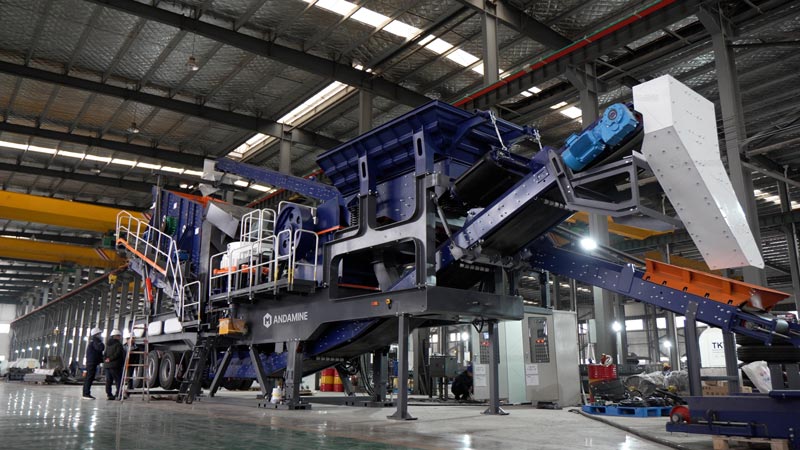
Modern Crushing Equipment for Recycling Projects
Efficient aggregate recycling relies on advanced crushing equipment. Choosing the right machinery ensures high productivity, uniform aggregate size, and reduced operational costs.
Aggregate Crusher Plant Features
An aggregate crusher plant typically includes primary, secondary, and tertiary crushers to achieve the desired aggregate size. The primary crusher breaks down large concrete pieces, while secondary crushers refine the material. Tertiary equipment ensures uniformity for construction use. Some plants integrate screening, washing, and conveyor systems, enabling continuous production of high-quality recycled aggregates.
Mobile Stone Crusher Plant for Flexibility
For urban construction sites or remote areas, a mobile stone crusher plant(planta de trituracion movil) provides portability and flexibility. Mobile plants reduce the need for transporting raw materials to centralized facilities, lowering fuel and logistics costs. Contractors can deploy these units directly on-site to process waste immediately, enhancing efficiency and sustainability. Mobile crushers also adapt to different project sizes, from small urban renovations to large infrastructure projects.
Cone Crusher Applications
A cone crusher is essential for secondary or tertiary crushing stages, producing uniform and high-quality aggregates. Cone crushers are effective for processing concrete, stone, and asphalt waste. Their advanced design ensures high reduction ratios, minimal maintenance, and consistent output. Integrating cone crushers into an aggregate crusher plant allows contractors to meet strict construction specifications while optimizing resource utilization.
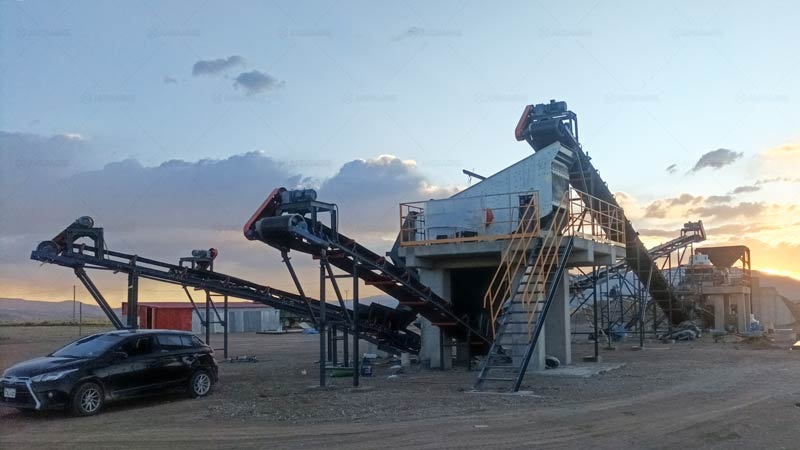
Cost Considerations in Aggregate Recycling
Understanding the cost structure is vital when investing in recycling operations. The price of stone crusher varies based on capacity, automation, and brand. However, the initial investment can be justified by long-term savings in material procurement, reduced waste disposal fees, and improved efficiency.
Factors Affecting Price of Stone Crusher
The price of stone crusher(precio de chancadora de piedra) depends on several variables: crusher type, processing capacity, and technology features. Modern cone crushers with automation and energy-efficient designs may have higher upfront costs, but their durability and reduced maintenance requirements make them more economical over time. Similarly, a mobile stone crusher plant may cost more initially due to mobility features, but it provides operational flexibility and cost savings.
Operational Cost Savings
By processing construction waste on-site, contractors can reduce transportation and disposal costs. A well-maintained aggregate crusher plant ensures consistent output, minimizing downtime and material wastage. These operational efficiencies enhance the overall return on investment and help offset the price of stone crusher equipment.
Case Studies of Aggregate Recycling in Latin America
Several Latin American countries are successfully implementing aggregate recycling initiatives using modern crushing equipment.
Urban Recycling Projects in Brazil
In Brazil, urban construction projects utilize mobile stone crusher plants to process demolition waste on-site. These projects have reported reductions in landfill usage and cost savings on raw aggregates. Cone crushers integrated into these plants produce uniform, high-quality recycled concrete aggregates suitable for road construction and municipal projects.
Infrastructure Development in Mexico
Major infrastructure projects in Mexico incorporate aggregate crusher plants to process concrete waste from old bridges and buildings. By using cone crushers for secondary and tertiary crushing, contractors achieve precise aggregate sizes required for new road and highway construction. These initiatives demonstrate the economic and environmental benefits of modern recycling solutions.
Small-Scale Recycling in Chile
Small and medium contractors in Chile rely on portable mobile stone crusher plants for construction renovation projects. The mobility of these units allows quick deployment, and operators report significant reductions in material procurement costs. Although the price of stone crusher equipment is considerable, the efficiency gains and lower material costs justify the investment.
Challenges and Opportunities
Despite the benefits, aggregate recycling faces challenges, including regulatory hurdles, quality control, and initial capital investment. However, these challenges can be mitigated with proper planning and investment in modern aggregate crusher plant technology, mobile stone crusher plants, and cone crushers(trituradora de cono). The growing demand for sustainable construction in Latin America presents significant opportunities for contractors to convert waste into valuable resources efficiently.
Policy Support and Incentives
Government regulations and incentives encourage recycling and sustainable practices. Policies supporting the use of recycled aggregates can further improve the economic viability of aggregate crusher plant investments. Contractors who adopt mobile stone crusher plants benefit from reduced operational costs while complying with environmental regulations.
Conclusion
Aggregate recycling transforms construction waste into a valuable resource, offering both environmental and economic benefits. Investment in modern equipment, including aggregate crusher plants, mobile stone crusher plants, and cone crushers, ensures high-quality output and operational efficiency. Understanding the price of stone crusher and evaluating total cost savings allows contractors in Latin America to make informed decisions. By embracing recycling technologies, the construction industry can reduce reliance on natural resources, lower costs, and promote sustainable development throughout the region.